


Written by Howard Hughes
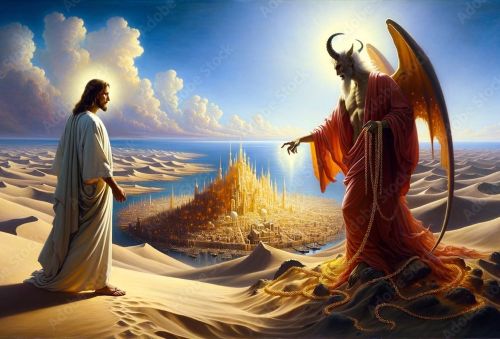
Does the devil know what the future of a person is?
The question of whether the devil (often identified as Lucifer in various religious and mythological traditions) knows everything, including the future, is a complex one that depends on the specific religious or theological framework being considered.
Christian Theology:
In traditional Christian theology, God is considered omniscient, meaning He knows all things, including the past, present, and future. The devil, on the other hand, is often depicted as a fallen angel who was once one of the highest-ranking angels in Heaven but was cast out due to his rebellion against God.
1. Omniscience of the Devil: Some Christian traditions suggest that the devil retains a high degree of knowledge, particularly about human nature and the weaknesses of individuals, which he uses to tempt and deceive. However, the devil is not considered omniscient in the same way God is. The devil does not know the future in the same all-encompassing way that God does.
2. Limited Knowledge: In some interpretations, the devil may have some knowledge of future events, particularly those that are contingent on human choices, but he does not have the full, divine knowledge of all things. For example, the devil might be able to discern patterns or make educated guesses based on human behavior, but he cannot predict with certainty the outcome of every individual’s life or the future of the world.
3. Free Will and Predestination: In many Christian doctrines, the concept of free will is central. God allows humans to make their own choices, and the future is not set in stone in the same way that God’s eternal plan is. The devil, therefore, cannot know the future with the same certainty as God because the future is shaped by the free choices of human beings.
Other Religious Traditions:
In other religious or mythological traditions, the devil or similar entities may be portrayed differently. For example:
1. Judaism: In Jewish theology, there is no singular entity equivalent to the Christian devil, but there are various spiritual forces, both good and evil. The concept of divine omniscience is central, but the idea of a fallen angel with limited knowledge is not a primary focus.
2. Islam: In Islamic theology, Iblis (often equated with the devil) is a jinn who refused to bow to Adam and was cast out. Iblis is not omniscient but is believed to have knowledge of human weaknesses and to tempt humans.
3. Mythology: In various mythologies, entities like Loki in Norse mythology or other trickster gods may have some knowledge of the future, but they are not portrayed as all-knowing.
Conclusion:
In summary, within the context of Christian theology, the devil (Lucifer) is not considered to be omniscient like God. While the devil may have significant knowledge, particularly about human weaknesses, he does not know the future with the same certainty as God. The devil’s knowledge is limited, and the future is shaped by human free will, which the devil cannot fully predict or control.
I eagerly await